

August 2026
The European Union's new Packaging and Packaging Waste Regulation (PPWR), Regulation (EU) 2025/40, is now applicable, marking an important change for companies that manufacture, import, distribute, or sell packaged products in the European market.
For brands and packaging buyers, this means that packaging decisions will increasingly need to consider recyclability, material efficiency, packaging design, reuse, labelling, and other sustainability requirements.
@Glass®️, as a professional glass bottle and glass jar manufacturer in China, Global Bottles and Jars has been closely following the development and implementation of the PPWR.
Our goal is clear: to help our European customers source glass packaging solutions that support their compliance obligations while meeting their requirements for product protection, branding, functionality, and sustainability.
What Is the EU PPWR?
The Packaging and Packaging Waste Regulation (EU) 2025/40, commonly known as the PPWR, establishes a harmonised regulatory framework for packaging and packaging waste across the European Union.
The regulation entered into force on 11 February 2025 and applies from 12 August 2026, with a number of additional requirements and targets being introduced progressively in the coming years.
The PPWR is designed to reduce the environmental impact of packaging and packaging waste while improving the functioning of the EU internal market.
Among other areas, the regulation addresses:
- Packaging recyclability
- Design for recycling
- Packaging minimisation
- Reuse and refill
- Recycled content requirements for applicable plastic packaging
- Packaging composition
- Labelling and consumer sorting information
- Technical documentation and conformity requirements
- Reduction of packaging waste
For businesses importing packaged products or empty packaging into the EU, understanding these requirements is becoming an increasingly important part of packaging procurement.
What Does PPWR Mean for Glass Packaging?
One of the central principles of the PPWR is recyclability.
Under Article 6 of Regulation (EU) 2025/40, packaging placed on the EU market is required to be recyclable.
More detailed Design for Recycling criteria and recyclability performance grades will be introduced according to the regulatory timetable. From the relevant 2030 deadline, packaging will need to meet the applicable recyclability performance requirements, with further requirements scheduled for later years. This makes packaging material selection and packaging design increasingly important for brands selling into Europe. Glass has several characteristics that make it highly relevant in this transition.
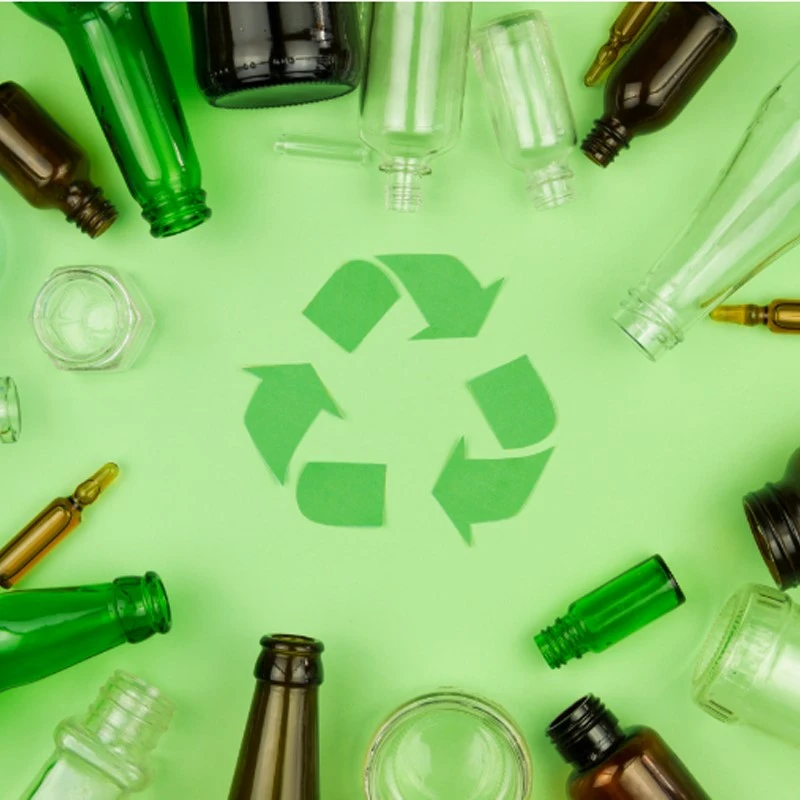
Glass Is Highly Recyclable
Glass packaging can be collected, sorted, processed, and recycled into new glass products.
Recycled glass cullet can replace part of the virgin raw materials required for new glass production, helping support circular material use.
For brands developing long-term sustainable packaging strategies, recyclability is therefore one of the major reasons to consider glass bottles and jars.
Glass Packaging Can Support Circular Packaging Systems
Glass is widely used across established collection and recycling systems in European markets.
Depending on the packaging format and the system in which it is used, glass packaging can also be designed for reuse or refill applications.
This makes glass relevant to brands exploring both recycling and reusable packaging models.
Our Approach to PPWR-Ready Glass Packaging
At Global Bottles and Jars, we do not view PPWR compliance as simply a regulatory issue. We see it as part of a larger transition in the global packaging industry toward recyclability, circularity, material efficiency, and more responsible packaging design.
As a glass packaging manufacturer supplying international markets, we are reviewing our products and packaging solutions against the applicable PPWR requirements and regulatory implementation timetable.
Our approach focuses on several key areas.
1. Recyclability-Oriented Glass Packaging Design
We pay close attention to the recyclability of the complete packaging system-not only the glass container itself.
A finished package may include: Glass bottle or jar, Cap or closure, Decorations, Secondary packaging.
These components can affect the recyclability and overall environmental performance of a packaging solution. For customers targeting the EU market, our team can work with buyers to evaluate packaging configurations and develop solutions with recyclability in mind.
2. Packaging Material Selection
Glass remains one of our core packaging materials for industries including:
- Food & Beverages
- Cosmetics & Pharmaceuticals
- Home Decoration and Glassware
Different applications require different glass bottle designs, closures, decorations, and performance characteristics.
Instead of using a one-size-fits-all approach, we help customers select packaging based on the intended product, market, filling process, transportation conditions, and regulatory requirements.
3. Packaging Minimisation
The PPWR places greater emphasis on reducing unnecessary packaging and avoiding excessive packaging formats.
This aligns with an important principle of modern packaging development:
Use the packaging necessary to protect and present the product effectively without unnecessary material.
For custom glass packaging projects, bottle dimensions, weight, secondary packaging, dividers, cartons, and pallet configurations can all be considered as part of the overall packaging optimisation process.
4. Supporting Technical Documentation
PPWR increases the importance of packaging information and technical documentation.
For B2B buyers, especially importers and brands selling products within the EU, working with a manufacturer capable of providing clear product specifications and supporting documentation will become increasingly important.
Depending on the specific product and customer requirements, relevant information may include material specifications, dimensions, weight, drawings, testing information, component details, and other technical documentation.
Our export and technical teams work with customers to identify the documentation required for their individual packaging projects.
PPWR Compliance Should Consider the Complete Packaging System
An important point for packaging buyers is that a glass bottle should not always be evaluated in isolation.
For example, a perfume bottle may combine:
glass bottle + pump + collar + cap + decoration + label + carton
A cosmetic dropper bottle may include:
glass bottle + pipette + rubber bulb + plastic or metal closure + label
A food jar may use:
glass jar + metal closure + label + secondary carton
Therefore, PPWR planning should consider the complete packaging configuration and the specific way the product will be placed on the EU market.
This is particularly important for brands developing custom packaging.
When customers contact Global Bottles and Jars for an EU-market project, we recommend discussing the intended packaging configuration early in the development process.

Important PPWR Dates for Packaging Buyers
PPWR requirements are being introduced progressively rather than through a single compliance date.
Some important milestones include:
11 February 2025 - Regulation (EU) 2025/40 entered into force.
12 August 2026 - PPWR became applicable across the European Union.
From 2028 onward - Additional harmonised packaging labelling requirements are scheduled to apply according to the timelines and implementing measures established under the Regulation.
From 2030 onward - Major requirements relating to Design for Recycling and recyclability performance will apply according to the applicable PPWR timetable.
From 2035 onward - Recyclability at scale becomes increasingly important under the Regulation.
Packaging buyers should therefore think beyond immediate compliance and develop packaging that is prepared for future regulatory milestones.
What PPWR Means for Brands Importing Glass Bottles from China
For European importers and international brands sourcing packaging from China, supplier selection is likely to become even more important.
Price, MOQ, production capacity, and appearance will remain important purchasing criteria-but they will no longer be enough.
Professional packaging sourcing will increasingly require consideration of:
Compliance + Recyclability + Documentation + Quality Control + Traceability + Packaging Design + Supply Chain Reliability
This means buyers should involve their glass packaging suppliers earlier in the product development process.
Instead of selecting a bottle first and considering compliance later, brands can benefit from integrating regulatory and recyclability considerations into the initial packaging design.
Global Bottles and Jars Is Ready to Support European Packaging Projects
The implementation of PPWR represents an important milestone for the European packaging industry.
It also represents an opportunity.
Brands that start preparing early can develop packaging portfolios that are better aligned with Europe's transition toward a circular packaging economy.
At Global Bottles and Jars, we are committed to continuously monitoring European packaging regulations and improving our glass packaging solutions accordingly.
We manufacture and supply a wide range of:
| Liquor & Spirits Packaging | clear, amber, blue, green, and sprayed color glass bottles, and their closures |
| Food & Storage Containers | clear glass bottles & jars, canisters, storage boxes, amber glass bottles & jars, and caps |
| Cosmetics & Pharmaceutical | clear, amber, blue glass perfume bottles, cream jars, syrup bottles, dropper bottles, etc. |
| Beer & Wine Packaging | amber, blue, green glass beer bottles, dark green wine bottles, drinkingware |
| Home Decorations | glass candle holders, glass vases, glass pots, and flower vases |
We also support OEM and custom glass bottle projects, including bottle development, decoration, closures, accessories, and export packaging.
For customers targeting the European market, our team can discuss your application, bottle specifications, closure system, decoration requirements, and relevant compliance considerations before production.
Frequently Asked Questions About PPWR and Glass Packaging
Q: Does PPWR apply to glass bottles and glass jars?
Yes. PPWR covers packaging placed on the EU market and therefore includes glass packaging where applicable. The specific obligations depend on factors including packaging type, application, components, and the relevant implementation date.
Q: Are glass bottles recyclable under PPWR?
Glass is an established recyclable packaging material. However, PPWR compliance should be assessed based on the applicable regulatory criteria and the complete packaging configuration, including closures, labels, decorations, and other components where relevant.
Q: Does PPWR require recycled content in glass bottles?
The minimum recycled-content percentages established in Article 7 of PPWR specifically address plastic parts of packaging. Glass packaging should instead be evaluated against the PPWR provisions applicable to its material and packaging configuration.
Q: When does PPWR apply?
Regulation (EU) 2025/40 entered into force on 11 February 2025 and applies from 12 August 2026. Certain requirements have later implementation dates, including provisions relating to recyclability performance, labelling, reuse, and other measures.
Q: Can Global Bottles and Jars supply glass bottles for the EU market?
Yes. We manufacture glass bottles and jars for international customers, including projects intended for European markets. Packaging requirements vary by application, so we recommend providing your destination market, product use, bottle specification, closure, decoration, and other requirements when requesting a quotation.
Looking for Glass Packaging for the European Market?
If you are an importer, distributor, food or beverage producer, cosmetic brand, perfume company, or packaging company preparing for the PPWR era, selecting the right packaging supplier is an important part of your compliance and sustainability strategy.
Global Bottles and Jars is ready to work with international customers on recyclable, functional, and customised glass packaging solutions.
Contact our team to discuss your next glass bottle, glass jar, or custom glass packaging project for the European market.


